AxR1: The rootstock that changed the history of California wine
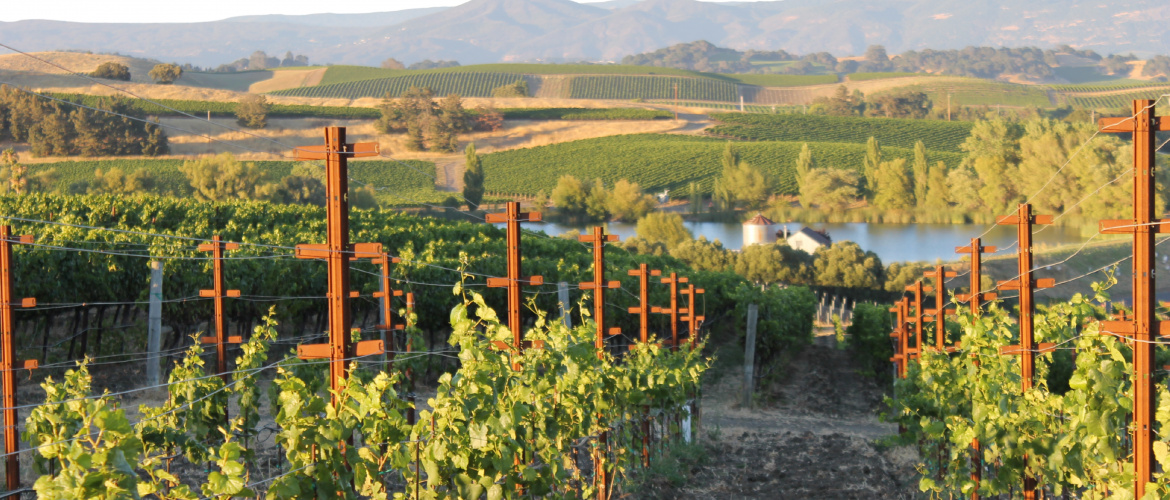
When we taste a glass of fine wine from Napa Valley or Sonoma today, we rarely realize how many dramatic stories lie behind its creation. One of the most interesting is the story of the AxR1 rootstock—an inconspicuous but once very important part of vineyards that influenced the shape of California viticulture for decades.
AxR1 was long considered an almost perfect solution to one of the vine's greatest enemies: phylloxera. It helped build famous vineyards and contributed to the rise of Californian wines around the world. Ultimately, however, it turned out to have a serious weakness. Its rise and fall became one of the greatest lessons in the history of winemaking.
What does the term "rootstock" mean?
Before we get into the story of the AxR1 rootstock itself, let's briefly explain what the term "rootstock" actually means.
Currently, most grapevines are not grown on their own roots. Noble varieties (such as Cabernet Sauvignon, Chardonnay, or Pinot Noir) are grafted onto the roots of other vines, i.e., rootstock. Such roots ensure:
-
higher resistance to pests and diseases,
-
better adaptation to the soil,
-
regulation of vine growth,
-
and often a longer vineyard life.
The rootstock is therefore the "invisible foundation of the house" on which the entire vineyard stands. Although the average visitor to a vineyard never sees it, it has a fundamental influence on the final quality of the wine.
Breeding of the AxR1 rootstock
AxR1 is a historic grapevine rootstock bred in France in 1879 by Victor Ganzin by crossing the European variety Aramon (Vitis vinifera) and the American species Vitis rupestris. Its full name is Aramon x Rupestris Ganzin No. 1. Victor Ganzin's aim was to create a strong, fast-growing, productive, and resistant vine.
American vines had lived with phylloxera for thousands of years and had managed to adapt to it. Their roots healed quickly after infection. European varieties did not have such defenses, and root damage was often fatal for them.
AxR1 was therefore intended to be a compromise between the two worlds. It offered strength, vitality, good fertility, and easy propagation. Initially, it seemed that this plan had succeeded, but over time it became apparent that this rootstock had major weaknesses in areas that winegrowers had not anticipated.
Phylloxera: small insect, big disaster
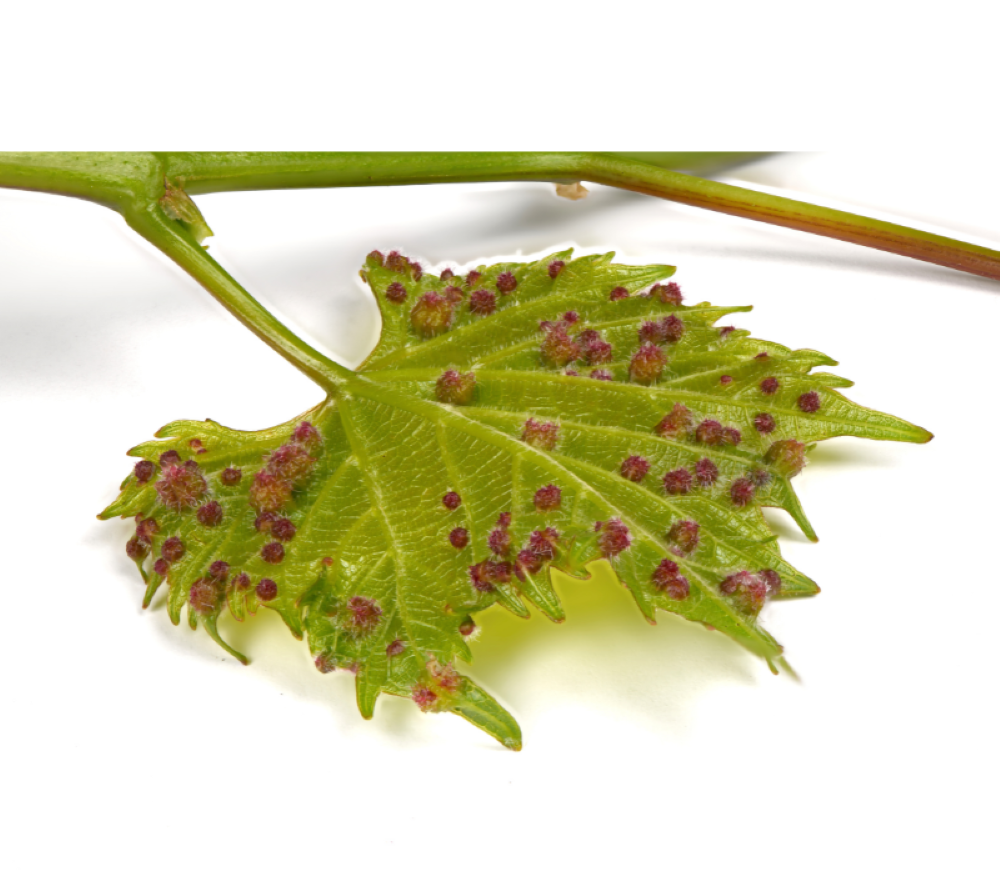
Since the end of the 19th century, all grape varieties around the world have been plagued by a tiny pest called phylloxera. This inconspicuous insect attacks the roots of the vine, weakening them and creating small wounds that allow disease to enter.
In Europe, it caused almost complete disaster in the 19th century. Millions of hectares of vineyards were destroyed and entire wine-growing regions had to be rebuilt. In the end, the only truly effective solution proved to be grafting onto American rootstock.
Phylloxera probably arrived in California in the second half of the 19th century, at a time when there was intensive trade in plants between Europe and America. Winegrowers and gardeners imported seedlings, cuttings, and whole plants from France and the east coast of the United States, often without any inspection. Phylloxera spreads very inconspicuously. It can be present in the soil, on the roots of seedlings, or on gardening tools. All it took was for a single infected shipment of vines to be planted in a suitable location for the pest to begin spreading further.
The first official occurrence was recorded in California in 1873 in the Sonoma area. From there, phylloxera gradually spread to Napa Valley and other wine-growing regions. The spread was slow at first because vineyards were often separated and transportation was not as fast as it is today. However, the situation changed with the development of railways, road transport, and the wine trade. The movement of people, technology, and plant material became much more intense. Phylloxera thus spread to other regions very quickly.
For a long time, many winegrowers did not realize the real cause of the problems. The weakening of the vines was attributed to drought, poor soil, or disease. Only gradually did it become clear that phylloxera was the main culprit. The presence of this insect ultimately forced Californian winegrowers to seek solutions similar to those used by their colleagues in Europe—namely, the use of resistant rootstocks.
AxR1 in California
At the turn of the 19th and 20th centuries, American experts began systematically testing various rootstocks. Scientists from the University of California, especially George Husmann and Frederick Bioletti, played a significant role.
AxR1 performed very well in trials:
-
it grew strongly and evenly,
-
provided stable yields,
-
propagated well,
-
and adapted to different soils and climatic conditions.
In addition, it showed no serious signs of phylloxera infestation for a long time. Winemakers thus gained the impression that they had found an almost ideal solution.
AxR1 gradually became the most popular rootstock in Napa Valley, Sonoma, and other areas of Northern California. From the 1950s to the 1970s, most new vineyards were grown on it. In some regions, it accounted for up to 70% of plantings.
Thanks to AxR1, winemakers could plant large vineyards without fear of rapid phylloxera infestation. This enabled the stable development of viticulture and attracted new investors. Famous businesses were established, family wineries expanded, and California gradually built a reputation as a producer of quality wines. AXR1 became a silent ally in this success. Many winemakers remembered it as a "reliable partner" that allowed them to focus on the style of wine instead of constantly fighting pests.
The first warning signs
In the early 1980s, some winegrowers noticed that their vines were beginning to weaken. The leaves were turning yellow, yields were falling, and entire rows of vines were gradually dying. At first, it seemed that these were normal problems associated with the aging of the vines or soil nutrition. However, it soon became clear that the cause was more serious: phylloxera had found its way to the AxR1 rootstock. In 1985, a new, more aggressive type of phylloxera was described, which was able to attack this rootstock much more effectively than previous populations.
The main problem with AXR1 was its genetic "weakness." It contained part of the European vine Vitis vinifera, which is very sensitive to phylloxera. For a long time, this was not a problem, but over time, the pest adapted and was able to exploit this weakness, multiplying ever more rapidly on the roots of AxR1. The situation was further exacerbated by modern cultivation methods, such as drip irrigation, which kept the soil moist and created an ideal environment for phylloxera to spread in the upper layers of the soil. In addition, the infestation of plants was virtually invisible for a long time. The vineyards looked healthy on the surface, while underground they were gradually dying.
The Wine Crisis in Napa Valley
By the end of the 1980s, it was clear that the AxR1 rootstock posed a serious problem. In 1989, UC Davis officially recommended its complete elimination. Within a few years, tens of thousands of hectares of vineyards had to be cultivated and replanted. Estimates put the losses at over a billion dollars. This was a heavy blow for many winegrowers. Some lost a large part of their income, while others had to invest huge sums in restoration. At the same time, however, it was also an opportunity for a new beginning.
Winemakers proceeded much more cautiously when restoring their vineyards. They began to use rootstocks based purely on American varieties, such as St. George, 101-14, and 110R.
Many other things also changed, such as planting density, vine training systems, yield management, clone selection, and water management. This resulted in modern vineyards that were better suited to the local terroir and the style of wine the winemakers were striving for. The emphasis began to be placed on quality rather than quantity.
The restoration of vineyards after the AxR1 rootstock crisis played a key role in the qualitative shift of Californian wines in the 1990s. New plantings were better adapted to individual locations. Winemakers focused more on vineyard work, yield reduction, and sustainable management. As a result, wines with greater depth, elegance, and aging potential began to emerge. Napa Valley has definitively established itself as one of the most prestigious wine regions in the world.
Today, choosing rootstock is considered one of the most important decisions when establishing a vineyard. The selection takes into account not only protection against phylloxera, but also soil type, water availability, drought resistance, and other circumstances. As a result, each vineyard has its own tailor-made rootstock. At the same time, modern wineries use soil monitoring and analysis, as well as satellite imagery, to detect potential complications as early as possible.
The AxR1 rootstock played an extremely important role in the history of California viticulture. For decades, it helped build the famous vineyards of Napa Valley and Sonoma and contributed to the international success of Californian wines. However, its subsequent failure showed that there are no definitive solutions in agriculture. Thanks to this experience, Californian viticulture is now stronger, more modern, and better prepared for future challenges.
Sources:
https://www.guildsomm.com/public_content/features/articles/b/kelli-white/posts/phylloxera-vastatrix
https://www.wineenthusiast.com/basics/advanced-studies/napa-valley-phylloxera/
http://graperootstock.org/wp-content/uploads/2016/12/Walker-2014-Research-Report.pdf
29.1.2026