Pahlmeyer
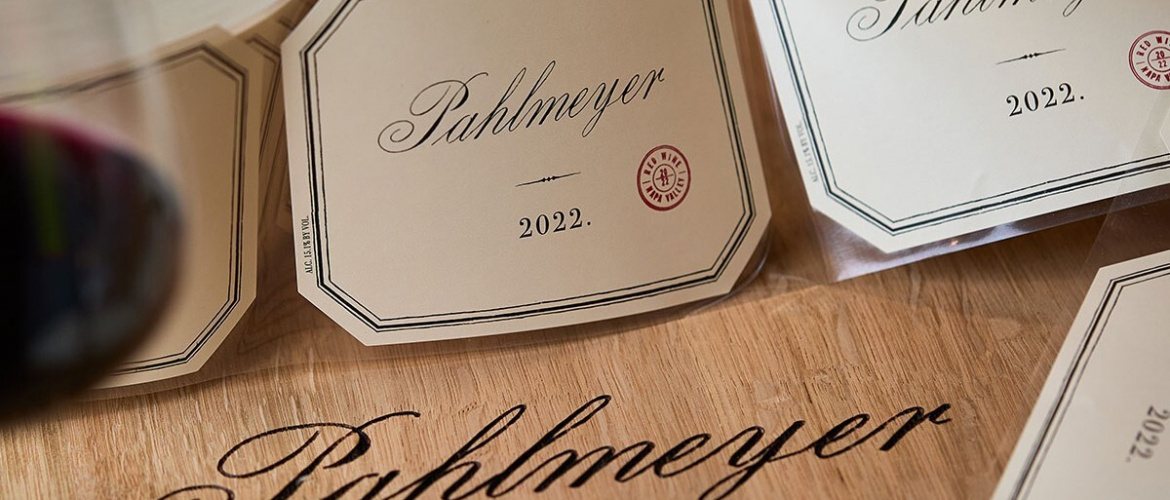
Pahlmeyer Winery is one of the most iconic names in Napa Valley. Its story does not begin in a traditional winemaking setting, but with a bold dream: to create a wine in California that could rival the finest French wines from Bordeaux. This ambitious goal of founder Jayson Pahlmeyer became the foundation of one of the region’s most respected brands. Today, Pahlmeyer embodies a combination of Napa Valley’s mountainous power, a meticulous approach to winemaking, and the First Growth Bordeaux philosophy applied to the American terroir.
First Growth Bordeaux refers to the absolute pinnacle of Bordeaux wines according to the historic 1855 classification. This category includes legendary French châteaux such as Château Lafite Rothschild, Château Haut-Brion, and Château Latour. Typical characteristics of these wines include an emphasis on varietal blends, structure, elegance, and longevity, a strong connection to the terroir, and extreme selectivity and precision in production. Jayson Pahlmeyer adopted these principles and adapted them to the conditions of Napa Valley. Bordeaux is characterized by a cooler and wetter climate, while Napa Valley has a sunnier and warmer climate. As a result, the fruit is riper and the wines are richer, more concentrated, and fuller-bodied, yet still structured.
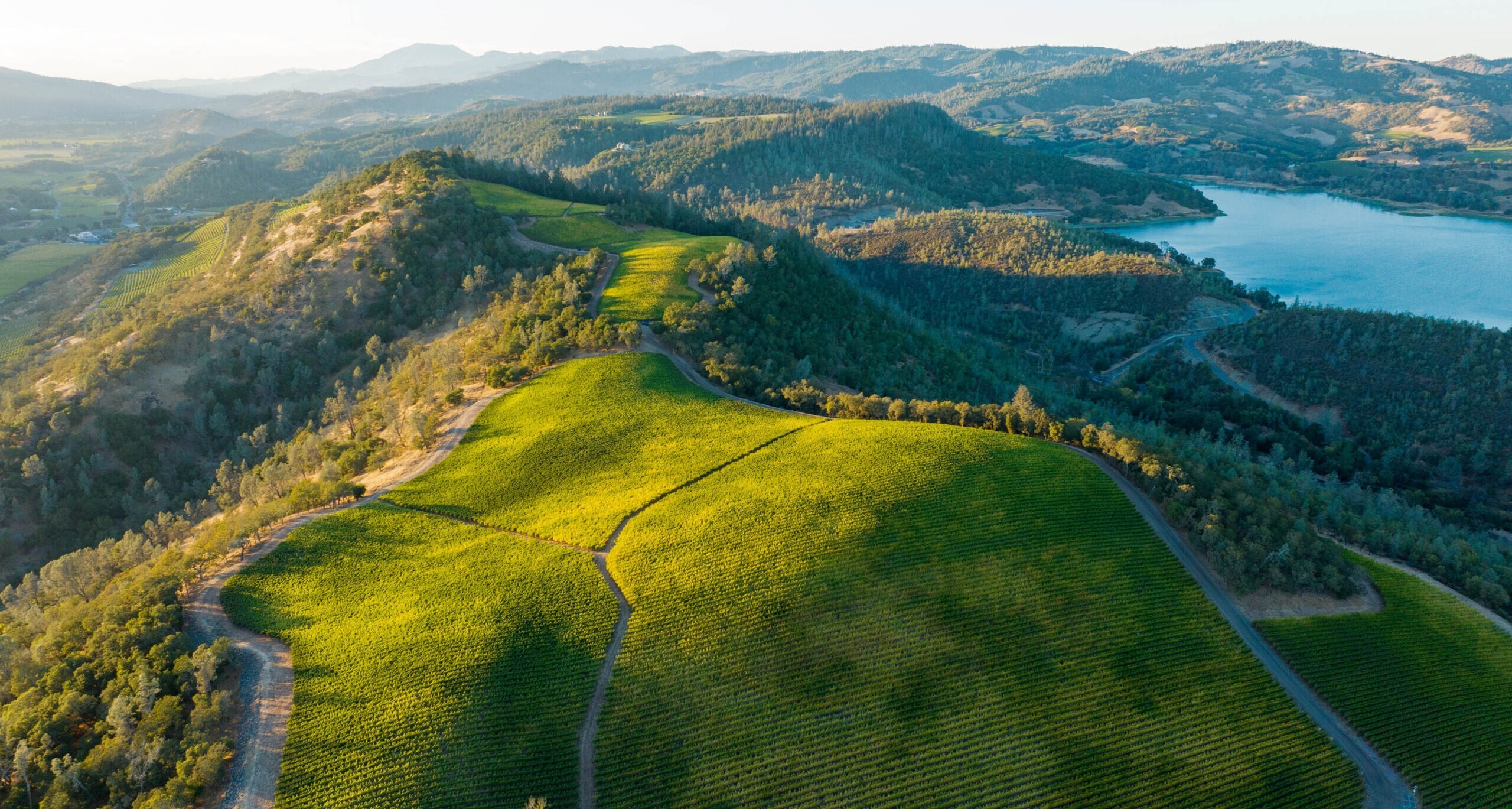
From Lawyer to Winemaking Legend
Let’s now go back to the very beginnings of the Pahlmeyer winery. Its story begins in a truly unusual way—in the 1970s, not in a vineyard, but in an office. Jayson Pahlmeyer, originally a successful lawyer, fell in love with the great wines of Bordeaux during his trips to France. It was there that an idea was born that was almost radical for California at the time: to create a wine in Napa Valley that would stand shoulder-to-shoulder with the legendary “First Growth” châteaux in terms of both quality and ambition.
The winery’s official founding dates back to 1986, when the first vintage of the iconic Pahlmeyer Bordeaux blend was produced. The path to achieving this, however, was not straightforward—and certainly not standard.
One of the most famous moments in the story is the import of grapevine cuttings from Bordeaux, which did not fully comply with the regulations of the time. Pahlmeyer was convinced that he wanted to work with the same genetic material as the top French wineries. At the time, however, the import of grapevines into the U.S. was strictly regulated to protect vineyards from diseases and pests (especially following the experience with phylloxera).
Nevertheless, he managed to obtain cuttings of varieties such as Cabernet Sauvignon and Merlot directly from Bordeaux and bring them to California. This was not a romantic gesture of rebellion, but a strategic move—an effort to transfer the authentic “DNA profile” of great wines to a new environment. These clones later became the foundation of the vineyards that gave rise to the first Pahlmeyer wines.
The real turning point, however, came when Pahlmeyer decided not to rely solely on purchased grapes, but to begin establishing his own vineyards in the then-little-explored mountainous areas of the Atlas Peak region. While most producers remained in the Napa Valley, he bet on a more extreme terroir: higher elevations, stony soils, and more challenging conditions. This decision fundamentally defined the winery’s style. The mountain vineyards yielded lower harvests but significantly more concentrated grapes with firm structure and complexity. It was here that the character of Pahlmeyer wines began to take shape—a combination of Napa Valley’s power and Bordeaux-inspired discipline.
Within a few years, the lawyer who dreamed of great wine had become one of the pioneers of the modern Napa Valley style. And his original ambition to create a “California First Growth” ceased to sound like a bold vision and began to become a reality.
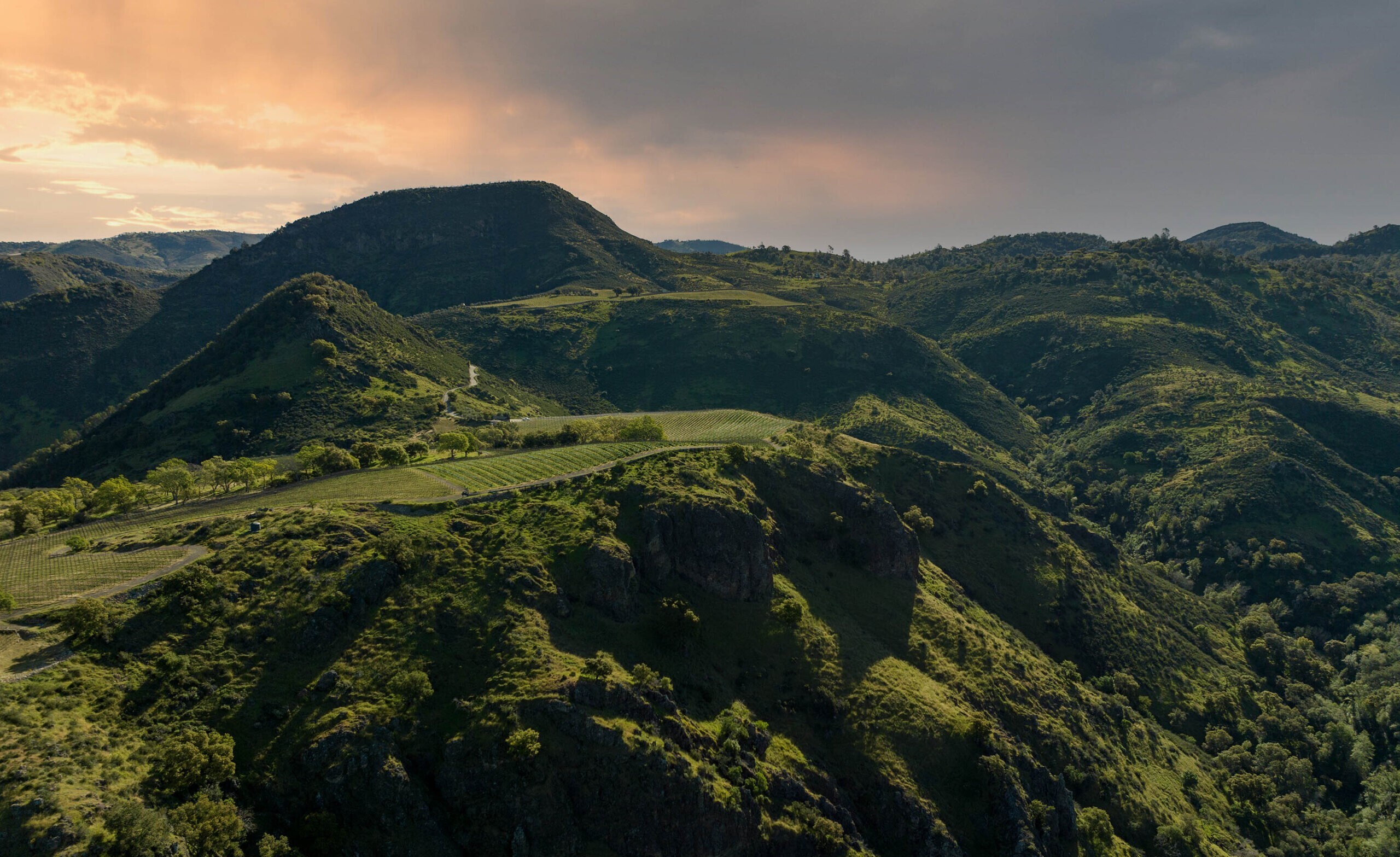
The mountainous terrain of Napa Valley as the foundation of the winery’s identity
Altitude (often between 400 and 600 meters) fundamentally alters the character of the wine. The vineyards are located above the morning fog, which means more sunlight during the day but cooler nights. This contrast allows the grapes to ripen more slowly and evenly.
The soils here are poor, stony, and often of volcanic origin. The vines are forced to “compete” for water and nutrients, leading to low yields but high flavor concentration. The result is wines with a pronounced structure, firm tannins, and a characteristic mineral note. A typical example is the Waters Ranch vineyard, where rocky soil combines with high altitude to produce grapes with a deep structure and a “savory” (spicy-salty) character. The Pahlmeyer terroir is thus not about elegance at first glance, but about power, concentration, and aging potential.
The vineyards are located in the Atlas Peak region and the broader Vaca Mountains. Each contributes a different character to the final blend—it is their combination that creates the typical “Pahlmeyer style.”
Antica
The Antica vineyard is located near Stagecoach in the Foss Valley, at the foot of Atlas Peak. Fog regularly settles in the valley, ensuring cool evenings after warm days. This makes Antica an ideal location for growing Chardonnay. Among other varieties, the Wiemer clone is grown here, characterized by beautiful acidity and delicate notes of tropical fruit.
Vangone
The Vangone vineyard is located directly across from the Stagecoach vineyard. The vines here are trained on wide lateral canes with V-shaped canopies, which provide shade and protect the fruit. This classic mountain terroir truly shines with Cabernet Sauvignon, producing intense notes of black currant and ripe plums, along with firm, structured tannins.
Stagecoach
The Stagecoach vineyard represents mountain viticulture in its most extreme form, with the soil consisting primarily of a diverse mix of rocks, mostly weathered volcanic rock. This rugged soil accumulates heat during the day and radiates it in the evening, making Stagecoach one of the warmest sites for growing grapes in Napa Valley. The vines here must literally fight for survival, which is why they produce small, concentrated clusters with characteristic intensity. Varieties grown here include Cabernet Sauvignon, Chardonnay, Malbec, Cabernet Franc, and others. Stagecoach lends Pahlmeyer wines energy, depth, and characteristic power.
Upper Range
This unique site is situated on a ridge above Rutherford. The vineyard was planted with the challenges of mountain farming in mind, with the rows oriented so that the sun shines directly on the tops of the vines during peak ripening. This eliminates the traditional north- and south-facing exposures. Here you’ll find four blocks of Cabernet Sauvignon, whose fruit contributes to the wine’s complexity and pronounced tannic structure.
Waters Ranch
Waters Ranch is located at the southernmost tip of the Atlas Peak mountain range. It has relatively deep soils for a mountain location, which allows for good water retention and supports vine growth. The grapes from this vineyard have a distinctive flavor profile that gives Pahlmeyer wines complexity, depth, and firm tannins.
The Power of Napa Valley and the Discipline of Bordeaux
The Pahlmeyer winery’s style is often described as a fusion of two worlds–on one hand, the structure, elegance, and longevity inspired by Bordeaux; on the other, the typical Californian ripeness, richness, and intensity. It is precisely this combination that gives rise to wines that are both opulent and meticulously crafted.
This signature style is very evident in the glass. The wines feature deep, dark fruit notes reminiscent of blackcurrants, plums, and blackberries, complemented by pronounced yet perfectly mature tannins. Full body and high concentration are balanced by a firm structure and a long, layered finish. Thanks to the mountain terroir, the wines also retain an important freshness and tension that prevents overripeness and lends them elegance and the potential for long aging.
This style is fully reflected in the winery’s individual wines. The flagship wine is Pahlmeyer Proprietary Red, an iconic Bordeaux blend built primarily on Cabernet Sauvignon. It is a wine of extraordinary concentration, firm structure, and significant aging potential, literally built for decades of aging.
No less distinctive is Pahlmeyer Chardonnay, which ranks among the most acclaimed California Chardonnays of all. It combines richness and creaminess with surprisingly lively acidity, interweaving notes of tropical fruit with the minerality derived from mountain vineyards. Frequent fermentation and aging in barrique barrels add another layer of complexity to the wine.
The Pahlmeyer Merlot demonstrates just how high a standard this variety can achieve in Napa Valley. Compared to Cabernet Sauvignon, it comes across as slightly more delicate and supple, yet still offers remarkable depth, concentration, and complexity, including excellent aging potential.
The gateway to the winery’s style is the Jayson by Pahlmeyer line, which offers a more accessible and open expression. The wines are fruitier, less structured, and ready for earlier consumption, yet they retain the winery’s characteristic signature. The portfolio thus comes across as well-thought-out and consistent—from the top-tier, long-aging wines to the more accessible options, there is always a clear effort to strike a balance between the power of Napa Valley and the discipline inspired by the great wines of Bordeaux.
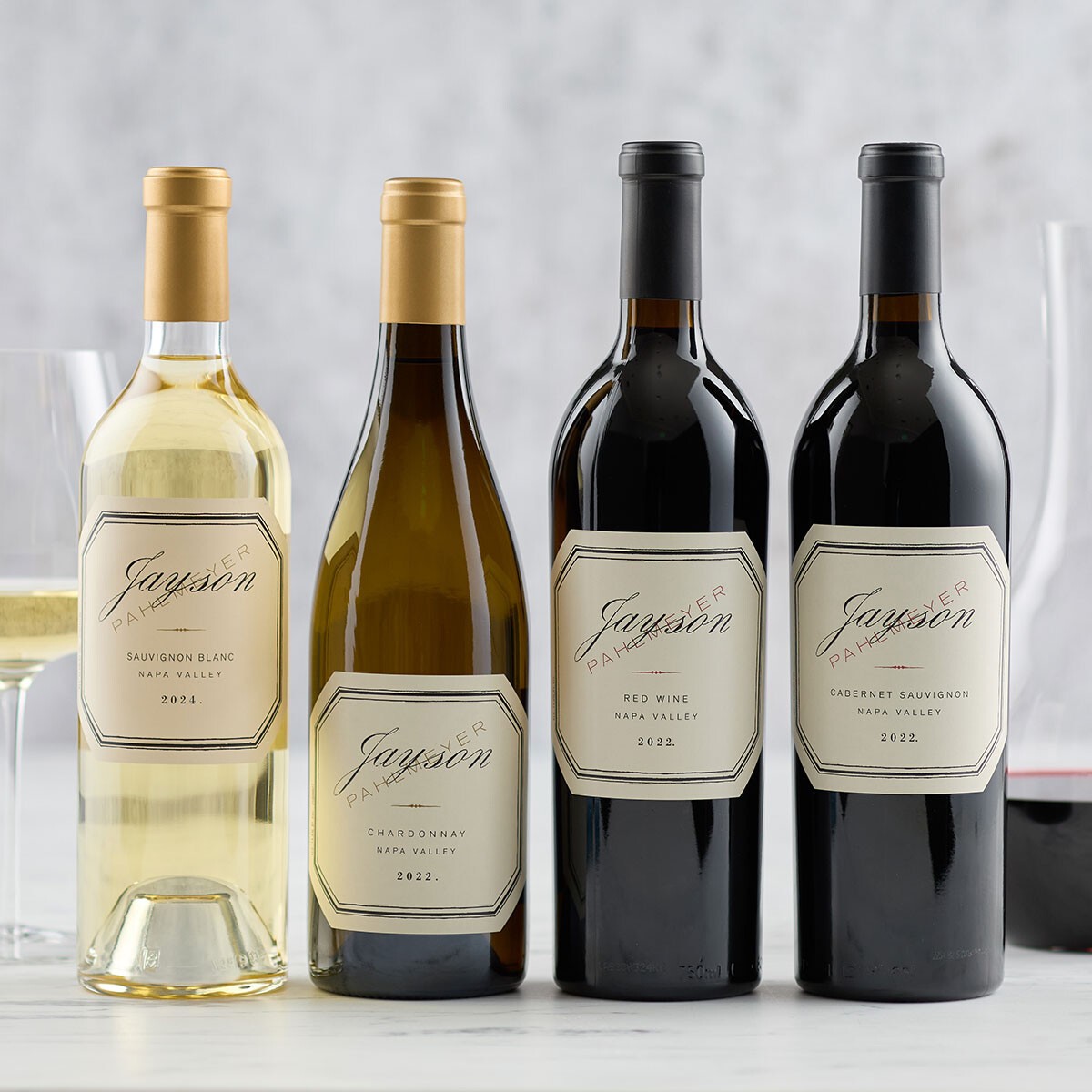
Pahlmeyer Winery stands as one of the purest examples of how to seamlessly blend Old World philosophy with the New World without compromise. From Jayson Pahlmeyer’s bold vision to create a “California First Growth” to today’s meticulous work with the Atlas Peak mountain terroir, the core idea remains unchanged—to produce wines that stand the test of time.
The character of these wines is rooted in a combination of extreme vineyard conditions, rigorous selection, and thoughtful blending. The result is not only powerful and concentrated wines, but above all complex and structured wines that gradually evolve and reveal new layers. Pahlmeyer is thus not only a symbol of prestige, but above all proof that even in California, wines with deep character, a clear identity, and the ability to age for decades can be produced.
Sources:
https://napa.guides.winefolly.com/regions/atlas-peak/
6 May 2026