Sequoia Grove Winery
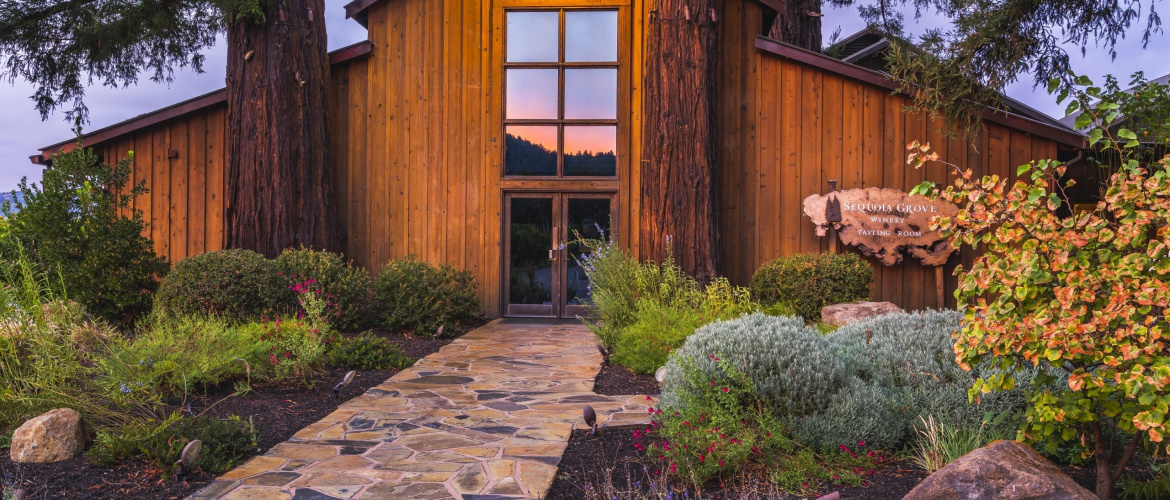
Imagine a warm autumn in Napa Valley. The sun still has enough strength to warm you, even though the days are getting shorter and the nights longer. The leaves on the trees are turning shades of yellow, red, and brown, and you are sitting on the terrace in the shade of majestic redwoods overlooking the vineyards. In your hand, you hold a glass of wine whose story began right here—in a century-old barn hidden among giant trees. This is Sequoia Grove.
The story of the winery
Sequoia Grove is a winery with a story. A story of the vineyard, the vintage, the terroir, and the people who give the winery its distinctive character. It is known for wines that are not only an expression of place, but also the ideal companion to culinary experiences. The winery's philosophy is to create wines that pair well with almost any food – thereby dispelling the myth that Cabernet Sauvignon and other red wines, for example, are only suitable for red meats and heavy dishes.
The history of the winery dates back to 1836, when the area was part of the original Rancho Caymus ranch. The modern era of Sequoia Grove began in 1978 when Barbara and James Allen acquired the property. A year later, they opened a winery in a historic barn under the redwoods – and the legend of Napa Valley was born.
For more than 45 years, Sequoia Grove has been one of the valley's most respected wineries. It is valued for its commitment to finesse, balance, and long-term partnerships with Napa's best grape growers.
Vineyards and terroir
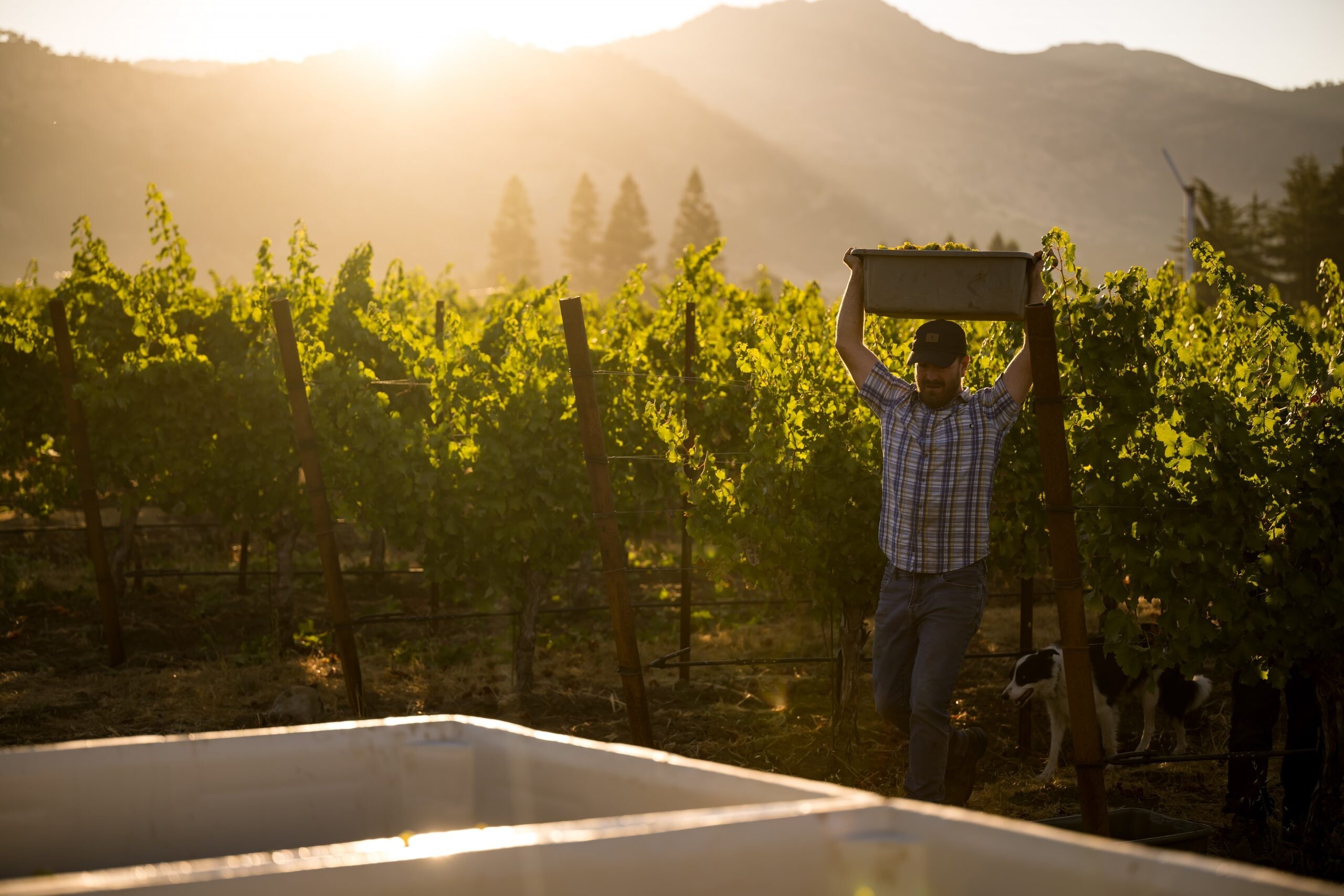
The heart of the winery beats in Rutherford, one of the most famous appellations in Napa Valley. It is here, on the so-called Rutherford Bench, that Cabernet Sauvignon with its typical "Rutherford dust" characteristics is born – an elegant combination of fruitiness, minerality, and a delicate tannin structure.
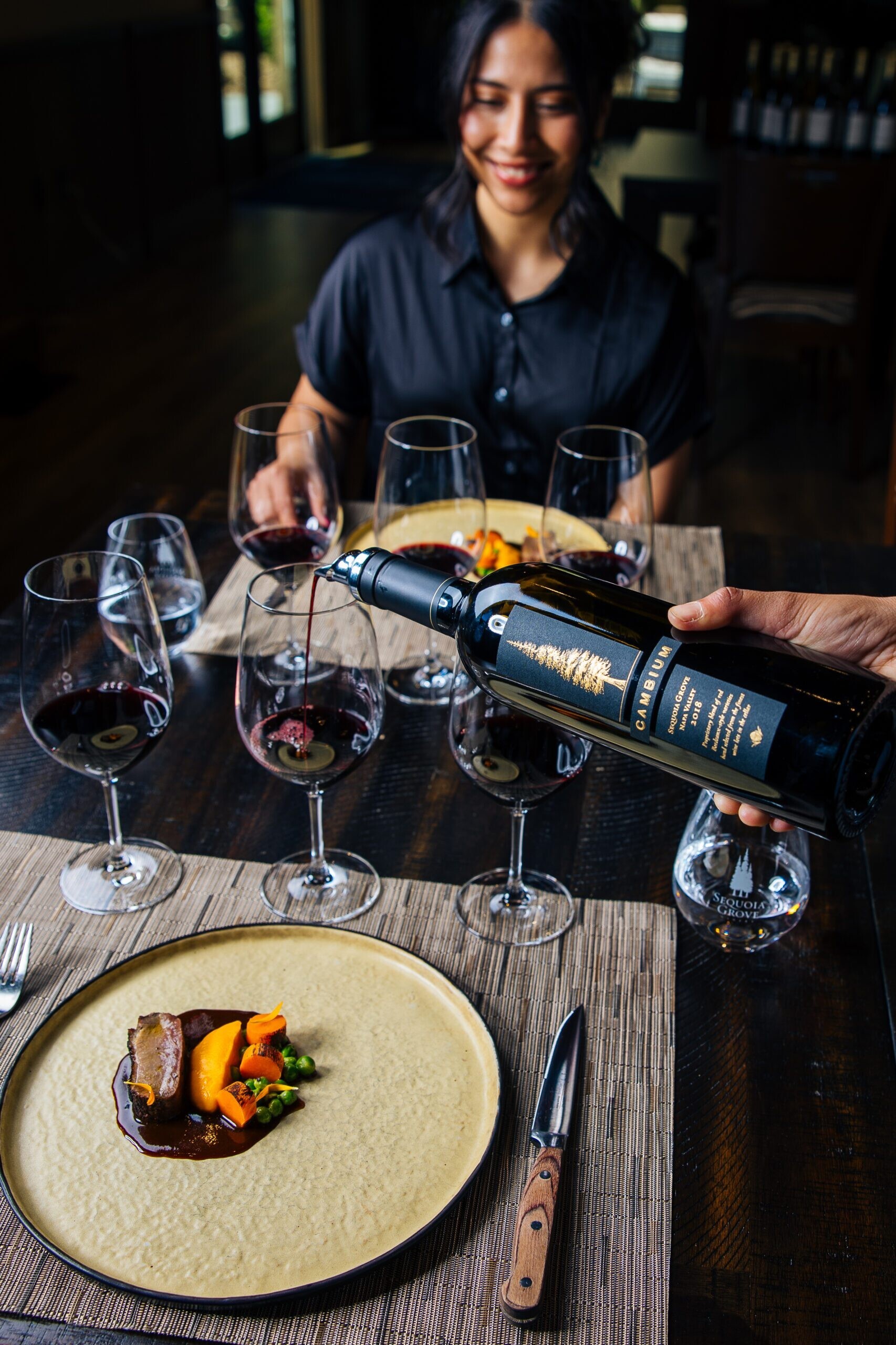
Sequoia Grove Estate Vineyard – 18 acres planted primarily with Cabernet Sauvignon, complemented by Cabernet Franc, Merlot, Petit Verdot, and Malbec. Each variety is planted where it thrives best – Cabernet on gravelly soils, other varieties on deeper and more fertile parts of the vineyard. These varieties are used to produce an excellent Cabernet Sauvignon blended with Cabernet Franc and Merlot – Cambium. Its aroma is aromatic with notes of blackcurrant and blackberry, complemented by sweet spices, mocha, and humidor. The wine has a spicy acidity, firm tannins, and a long, spicy finish. Each vintage is composed of the best berries of each variety, and the wines are full-bodied and elegant.
- Do you know what the name Cambium means? Cambium is actually plant tissue that produces secondary wood and secondary bark. It is located under the bark of trees and is essential for the tree's growth in width. It is thanks to the cambium that growth rings and stems are formed, and trunks expand. The name Cambium represents the pursuit of balance, elegance, and the connection of all elements in the winemaking process. It connects the winery's commitment to quality and sustainability with craftsmanship and refers to the majestic redwood tree.
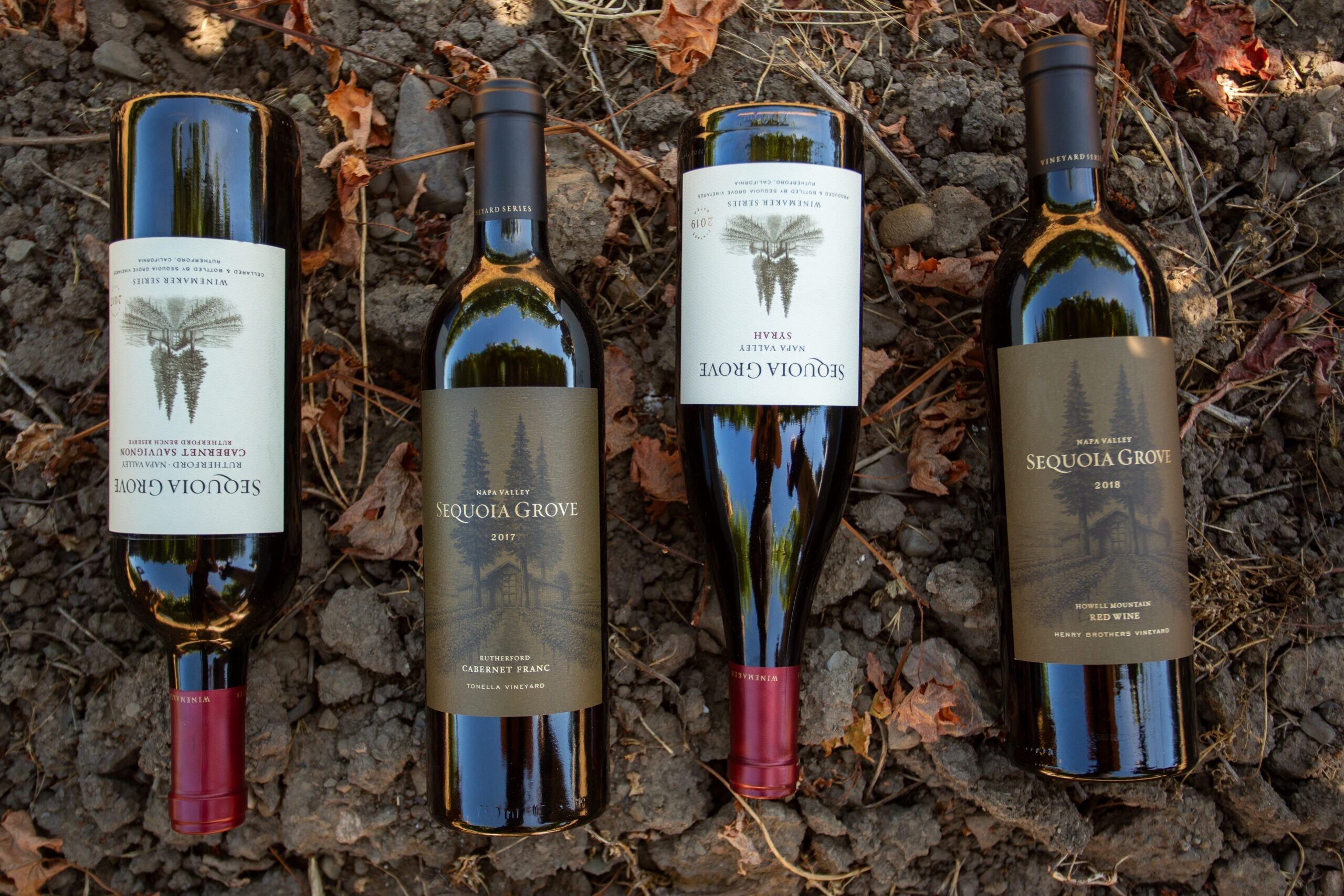
Tonella Estate Vineyard – a vineyard with roots dating back to the early 20th century, now planted with Cabernet Sauvignon, Merlot, Petit Verdot, and Cabernet Franc. Dividing it into micro-blocks allows the complex terroir of Rutherford to be fully expressed. An example is Tonella Vineyard Cabernet Sauvignon with soft tannins and a long, juicy finish.
Morisoli Vineyard – an iconic 9-acre parcel in Rutherford managed by Gary Morisoli, who takes great pride in maintaining the balance of the vineyards naturally, with minimal intervention. Cabernet is grown here using traditional dry farming methods, with the heat from the ground helping to concentrate the flavors of intense black fruit. The result is intense wines with a concentrated fruit character.
Stagecoach Vineyard (Atlas Peak) – one of Napa Valley's most famous vineyards, high on the slopes of Atlas Peak (900–1,850 feet). The volcanic soil gives Cabernet Sauvignon and other varieties a concentrated, mineral character.
State Lane Vineyard (Yountville) – an 18-acre vineyard acquired in 2022, with rhyolite and volcanic soils similar to those of the legendary To Kalon & Opus One vineyards. The vineyard is characterized by gently sloping, well-drained gravelly soils on the alluvial cone of the Napa River. It is planted with Cabernet Sauvignon, Cabernet Franc, and a small amount of Sauvignon Blanc.
Mount Veeder Estate – a mountain vineyard with a cooler climate, planted with Cabernet Sauvignon, Merlot, Cabernet Franc, Petit Verdot, Chardonnay, and Syrah. Thanks to its altitude (1,450–1,750 feet), it produces grapes with high aromatic intensity. Of the total area of 120 acres, less than 30 acres are planted with grape varieties. The rest is covered by forests, which will remain preserved.
Carneros Vineyards – three cool-climate vineyards on the southern tip of Napa Valley. Thanks to the influence of the Pacific Ocean and San Pablo Bay, cool winds ensure foggy summers and a long ripening period for the grapes. This is an ideal terroir for Chardonnay, which ripens slowly here and acquires freshness, minerality, and elegance.
Sustainability
The shade of the sequoia trees that gave the winery its name is a perfect reminder of how fragile the relationship between humans and nature is. That is why Sequoia Grove aims to protect the land, water, and resources it uses.
The winery is a proud holder of Napa Green Winery a Napa Green Land certifications, which confirm its environmentally friendly approach to vineyards and wine production. It was even one of the first five wineries to obtain this certification after the standards were tightened.
Sequoia Grove is also a member of the global initiative 1 % for the Planet, which brings together companies, individuals, and foundations to support environmental projects. The goal of this organization is for its members to donate at least 1% of their income each year to environmental organizations involved in nature conservation, the fight against climate change, and other environmental projects. Every year, the winery contributes a portion of its income to these organizations.
Thanks to Marin Clean Energy's Deep Green program, the winery is powered 100% by renewable energy. It also actively supports the Save the Redwoods League, one of the oldest environmental non-profit organizations in the US, which has been protecting and restoring coastal redwoods since 1918.
Sequoia Grove is more than just a winery—it is a place where history, terroir, and modern winemaking practices come together. It is a combination of respect for nature, the artistry of master winemakers, and a deep connection to Napa Valley. Each wine is not only a reflection of the vineyard where the grapes were grown, but also an invitation to discover, pair, and enjoy an unforgettable gastronomic experience.
Sources:
https://www.kobrandwineandspirits.com/brand-page/sequoia-grove-winery/
https://izahradkar.cz/slovnik/kambium/
1st October 2025