Rodney Strong Vineyards
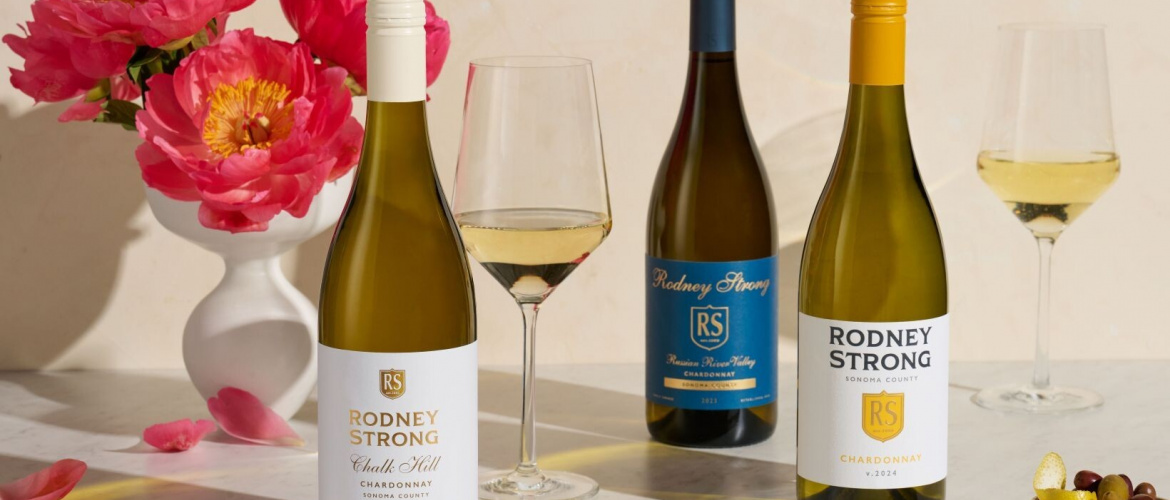
Some winery stories begin on a family farm, others in a cellar or during the first harvest. The story behind Rodney Strong Vineyards takes us to the theatre and to Paris. It was there that professional dancer Rod Strong fell in love with wine, gradually discovering a passion that would take his life in a new direction. In 1959, he founded a winery in Sonoma County. Today, his name recalls the story of a man who recognised this region’s potential and turned it into wines with a character of their own.
From Paris to California
Rod Strong had performed on Broadway and worked at the Lido in Paris. When he decided to end his dancing career, he and his wife and dance partner, Charlotte, set out to find a place for the next chapter of their lives. After travelling through California and consulting experts at UC Davis, they chose Sonoma County.
In 1962, he purchased vineyards in what is now Chalk Hill and subsequently planted Chardonnay there. In 1968, he was among the first to plant Pinot Noir in Russian River Valley. A major milestone came in 1976, when he released the 1974 Alexander’s Crown, Sonoma County’s first Cabernet Sauvignon to carry the name of a single vineyard. He also helped secure official recognition for the local winegrowing areas as separate American Viticultural Areas, or AVAs. Even then, he was focusing on a question that continues to guide the winery today: where does a wine come from, and how does its origin reveal itself in the glass?
Since 1989, Rodney Strong Vineyards has belonged to the Klein family, fourth-generation California farmers. Their approach combines a connection to the land with a willingness to invest in further development. Family, quality wine and long-term care for the environment in which it is made remain their core values.
Winemaking is now led by Justin Seidenfeld, who took over from Rick Sayre in 2018. He builds on his predecessor’s experience with an emphasis on precision and thoughtful work from vineyard to cellar. The aim is for every bottle to offer an experience people will want to return to, whether they open it for a celebratory dinner or an ordinary evening with friends.
Sonoma County: Diversity You Can Taste
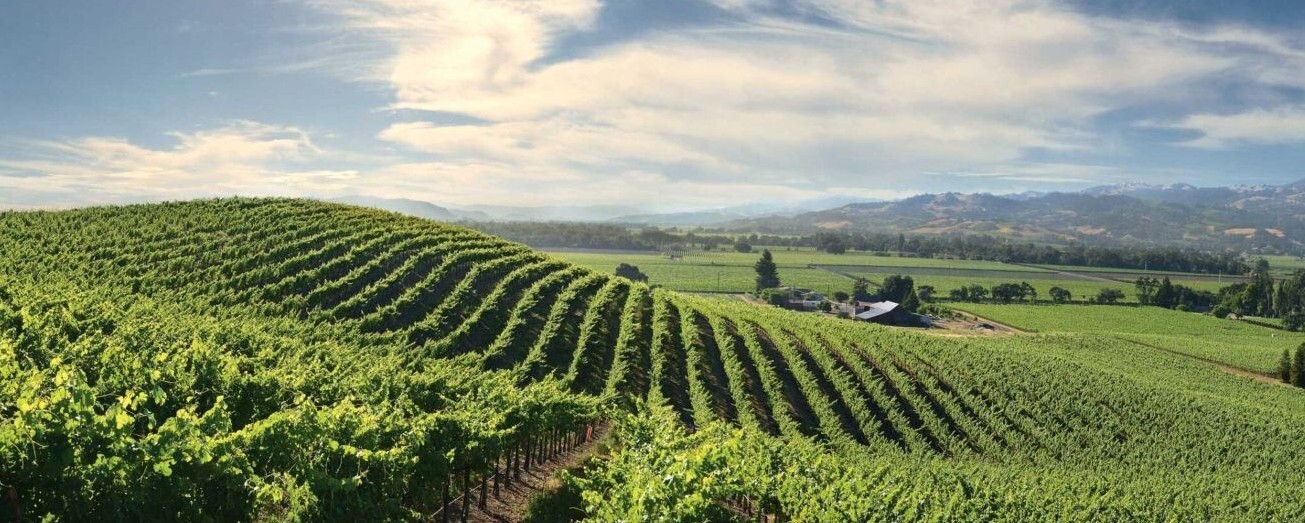
Rodney Strong farms twelve estate vineyards in Sonoma County. Differences in temperature, elevation, location and microclimate allow the winemakers to explore different expressions of the same grape variety. This is particularly evident in Cabernet Sauvignon.
Among the most distinctive sites are Alexander’s Crown, Rockaway and Brothers. Rockaway is planted with all five classic red Bordeaux varieties, predominantly Cabernet Sauvignon and Merlot. At Brothers, Malbec grows alongside Cabernet. Each of these vineyards brings a different expression of fruit and structure. The winemakers can therefore preserve their individual character in separate wines or combine selected lots into blends.
For wine lovers, this diversity offers an appealing opportunity to compare. Chardonnay, Pinot Noir and Cabernet Sauvignon reveal different sides of the winery, allowing you to get to know Sonoma County gradually, bottle by bottle.
Chardonnay and the Legacy of Chalk Hill
Chalk Hill holds a special place in the Rodney Strong story. It was here that Rod demonstrated the importance of finding the right growing conditions for a grape variety. In 1962, he bought vineyards near Windsor, and in 1965 he planted the area’s first Chardonnay, at a time when it did not yet have its own appellation. He recognised the potential of these sites long before their name appeared on the wine map.
In 1977, he released the first Chardonnay with Chalk Hill on the label. By identifying its origin, he drew attention to the distinctive character of the local wines, and later played an important role in the efforts that led to Chalk Hill being recognised as a separate AVA in 1983. Rodney Strong has produced Chardonnay from this area continuously since that first release. Today’s bottles thus continue one of the earliest chapters in the winery’s history.
Chalk Hill is, in fact, the name of an entire winegrowing area in which Rodney Strong has several vineyards. It lies in the northeastern part of Russian River Valley and differs from the lower-lying sites near the river in its warmer climate and reduced exposure to cool fog. The higher sites more often sit above the fog layer, while ocean breezes help moderate temperatures. The area takes its name from the whitish soils formed from ancient volcanic deposits. These soils are shallow, well drained and less fertile, naturally limiting vine vigour and encouraging grapes with pronounced flavour.
The estate vineyards here include Chalk Hill Arata and Chalk Hill Pleasant. Arata is characterised by pale volcanic soils, while Pleasant lies on a gentle slope in the southern part of the appellation and has rocky loam soils. Even within a single area, Chardonnay therefore grows under different conditions, giving the winemakers a range of elements to work with as they seek balance in the finished wine.
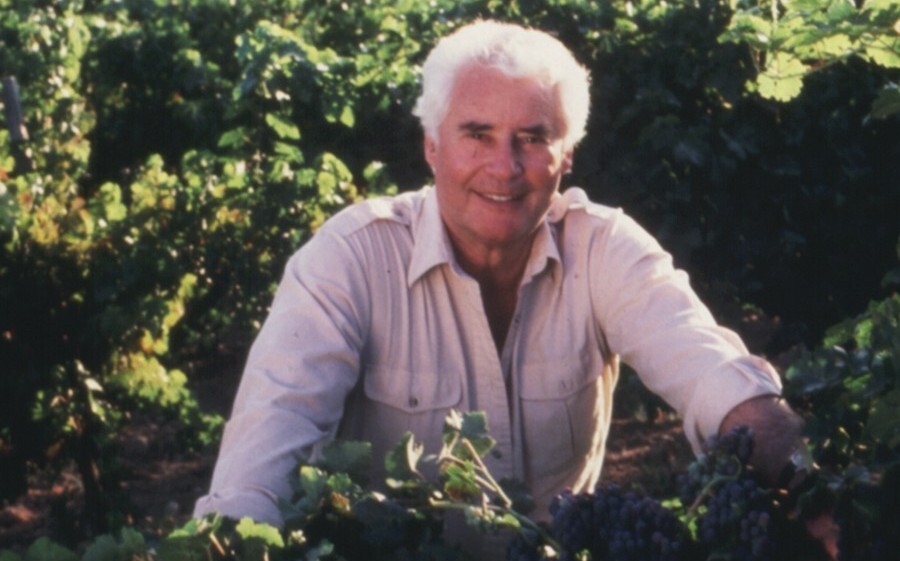
The Chardonnay Chalk Hill 2022 offers a clear illustration of how the character of a place meets the work carried out in the cellar. The wine fermented in both new and used oak barrels and aged for fourteen months. Apple and pear are accompanied by notes of vanilla, crème brûlée and toasted hazelnuts, while fresh acidity balances its creamy texture. This Chardonnay continues the story Rod began in Chalk Hill more than sixty years ago. His legacy also lives on in the 2023 vintage, which you will also find in our selection.
While Chalk Hill represents one distinctive expression of this variety, Sonoma County Chardonnay 2023 offers a broader view of its character across the region. Apple, citrus and baked pear combine with subtle notes of vanilla and caramel. Its fruit character and fresh acidity make it an enjoyable companion to food, such as grilled vegetables or fish. Both wines offer a chance to explore Chardonnay in Rodney Strong’s signature style and see how the origin of the grapes comes together with the care of the winemakers.
Pinot Noir from Russian River Valley
Alongside Chardonnay, Rod also turned his attention to Pinot Noir. When he planted this variety in Russian River Valley in 1968, he helped lay the foundations for another important direction in the winery’s development. Pinot Noir has remained part of its winemaking, and the 2023 vintage offers one opportunity to experience it today. Ripe cherry and plum are accompanied by the scent of forest floor and subtle notes of toast and espresso. The fruit flavours have a silky texture, gentle tannins and fresh acidity that brings them to life. It offers another perspective on Rodney Strong, this time through a variety whose potential Rod recognised in the winery’s earliest years. Our selection also includes the Pinot Noir 2024, which continues this story.
The Many Expressions of Cabernet Sauvignon
Cabernet Sauvignon is one of Rodney Strong’s signature varieties. An introduction to its style comes in the form of Cabernet Sauvignon Sonoma County, which we offer in the 2020 and 2022 vintages. A more specific sense of place is provided by Alexander Valley Cabernet Sauvignon 2022. Plum, dark berries and blackcurrant are complemented by chocolate, dried figs and spice. Firm tannins and a long finish give the wine pronounced structure.
Another expression of the variety is Knights Valley Cabernet Sauvignon 2022. Sheltered from the direct influence of the Pacific Ocean, Knights Valley is among Sonoma County’s warmest winegrowing areas. The wine offers blackberry, dark plum, blackcurrant and cocoa, accompanied by rich, velvety tannins.
For a deeper exploration of the winery’s work, Cabernet Sauvignon Reserve is also worth your attention, available in the 2017 and 2018 vintages. The Reserve range is created by selecting and blending individual lots from carefully farmed sections of the vineyards. These wines combine richness and structure with notes of ripe blackcurrant, cocoa, vanilla and dried herbs.
When Grape Varieties Come Together
Vedle odrůdových vín má v nabídce své místo Symmetry Red, cuvée inspirované Bordeaux a postavené na Cabernetu Sauvignon. V ročníku 2020 nabízí tmavé ovoce a pekařské koření, hedvábné třísloviny a dlouhý závěr. Jeho kouzlo spočívá v souhře jednotlivých složek: plnost doprovází šťavnatost a elegance.
Jiný výraz přináší Upshot Red Blend 2019, ve kterém dominují ostružiny, třešně a sladké koření. Nabídku doplňuje Merlot Sonoma County 2023 s tóny černých třešní, borůvek a černého rybízu i Old Vines Zinfandel 2021. Ten potěší bohatým ovocným projevem, švestkami, borůvkami a jemnou vanilkou. Ke kořeněným žebrům nebo trhanému vepřovému se jeho styl hodí obzvlášť dobře.
A Place for Freshness
Although Cabernet plays an important role, the Rodney Strong story also has a fresh, aromatic side. Charlotte’s Home Sauvignon Blanc 2023 combines grapefruit and lemon with light grassy notes, tropical fruit and melon. Alexander Valley Sauvignon Blanc offers kiwi, yellow peach, passion fruit and orange blossom, accompanied by refreshing acidity.
Sustainable Care for the Vineyards and Their Surroundings
Rodney Strong states that all its estate vineyards are certified sustainable, as is the winery itself. Its practices include drip irrigation and limiting water use according to the needs of the vines. Cover crops help protect the soil from erosion, while composted grape pomace returns organic matter to it.
Generating its own electricity also plays an important role. The solar installation, expanded in 2021, has a capacity of more than 1.5 MW and, according to the winery, supplies 49% of its total electricity consumption. Care for the landscape also includes restoring waterways, preserving environmentally sensitive areas and participation in the Fish Friendly Farming programme, under which all the vineyards have been certified since 2009.
That same year, the winery announced that it had become the first in Sonoma County to achieve carbon neutrality. It linked this historical milestone to both reducing emissions and purchasing carbon credits to offset its remaining footprint. Its present-day approach is best illustrated by specific measures in the vineyards and winery, from water management to solar energy.
Rodney Strong helped shape Sonoma County’s winegrowing identity at a time when the region was still finding its place in the world of wine. His decisions to plant Chardonnay in Chalk Hill, Pinot Noir in Russian River Valley and focus on Cabernet Sauvignon from Alexander Valley influenced the winery’s direction for decades to come. Today’s wines build on that work and show just how many different expressions Sonoma County can offer, from fresh white wines and more delicate Pinot Noir to rich Cabernets and carefully crafted blends.
2 October 2026
Sources: